SGTraDex and TradeTrust: How Blockchain Cuts Document Settlement by 75%
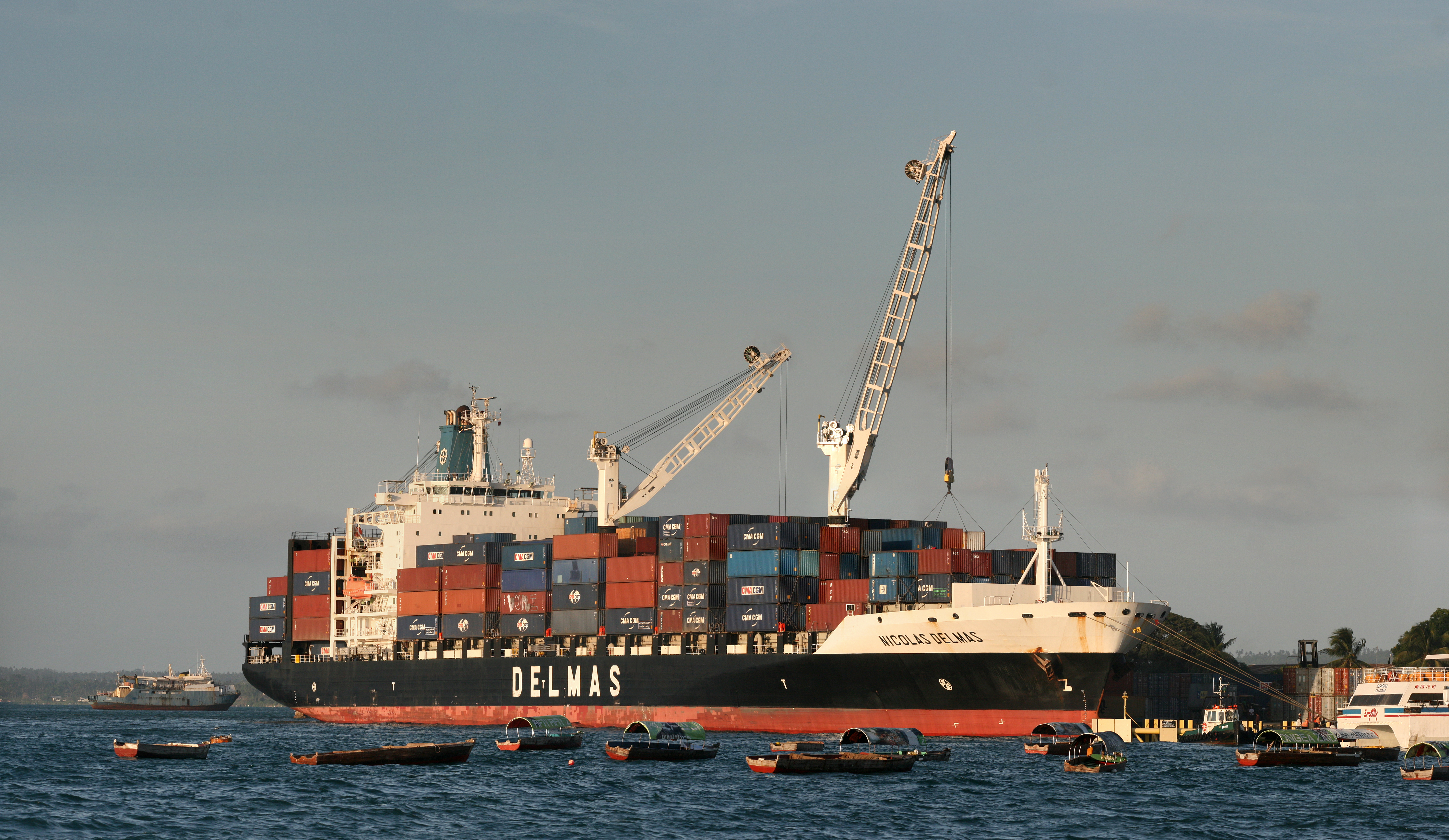
A single international shipment can generate 30 to 40 paper documents — bills of lading, certificates of origin, packing lists, customs declarations, inspection certificates — each requiring physical signatures, courier delivery, and manual verification. The cumulative cost of this paper trail represents an estimated 15-20% of total shipping expenses, according to the International Chamber of Commerce.
Singapore's response has been to build parallel digital infrastructure that replaces these paper-based processes with verifiable electronic records. Two systems form the backbone of this effort: TradeTrust, developed by the Infocomm Media Development Authority (IMDA), and SGTraDex (Singapore Trade Data Exchange).
TradeTrust: Electronic Bills of Lading on Public Blockchains
TradeTrust converts traditional trade documents into Electronic Transferable Records (ETRs) that carry the same legal weight as their paper equivalents under Singapore's Electronic Transactions Act. The system connects to Ethereum, Polygon, and XDC blockchain networks, using non-fungible tokens to represent ownership of cargo — making title transfer instantaneous rather than dependent on physical document courier.
The practical mechanics work as follows: an exporter creates a digital Bill of Lading through TradeTrust, which mints a unique token on the chosen blockchain. When the cargo changes hands — from shipper to freight forwarder to consignee — the token transfers between verified wallet addresses. Each transfer is recorded on-chain, creating an immutable audit trail that all parties can verify independently.
Measured Efficiency Gains
IMDA's published data from pilot deployments shows concrete results across several metrics:
- Shipment-to-payment settlement time reduced from 20 days to 5 days — a 75% improvement
- Documentation handling time cut by 60%, largely by eliminating courier delays and manual signature rounds
- Bank document circulation costs reduced by 30%, since financial institutions can verify digital records directly rather than processing paper copies
SGTraDex: Trusted Data Sharing Across Supply Chain Stakeholders
Where TradeTrust handles document digitization, SGTraDex addresses a different problem: the fragmentation of supply chain data across disconnected systems. Shipping lines, port operators, freight forwarders, customs authorities, and financial institutions each maintain their own databases, with limited real-time visibility into what other parties are doing.
SGTraDex operates as a common data exchange layer with 25 organizations from both private and public sectors currently onboarded. The system focuses on three specific use cases:
- Trade finance fraud detection: cross-referencing shipment data against financing applications to identify duplicate invoicing or phantom cargo
- Container flow optimization: sharing real-time container location and status data to reduce empty repositioning and improve utilization rates
- Bunkering verification: matching fuel delivery records against vessel consumption data to detect discrepancies
OptEModal: AI-Powered Sea-Air Cargo Coordination
Launched in 2025 by PSA Singapore and Cargo Community Network, OptEModal is an intermodal shipment management system designed specifically for sea-air cargo — shipments that travel by ocean for the long-haul segment and by air for the final leg. This combination can cut transit time by 40-60% compared to ocean-only routes while costing roughly half as much as all-air freight.
The system's core features include:
- Real-time tracking of multimodal shipments across carriers and transport modes
- AI-powered ETA predictions that account for port congestion, weather disruptions, and carrier schedule reliability
- Proactive delay identification with automated alerts when shipments deviate from planned timelines
- Smart flight recommendations that suggest optimal air connections based on cost, transit time, and cargo type
What These Numbers Mean for Regional Trade Costs
The McKinsey Global Institute estimates that full digitization of trade documentation could reduce global trade costs by $1.8 trillion annually. Singapore's implementation provides a concrete benchmark for what "full digitization" looks like in practice: interoperable blockchain-based documents, centralized data exchange with fraud detection, and AI-optimized multimodal routing — all operating simultaneously across the same trade corridor.
For ASEAN trading partners, the scalability question is whether these systems can extend beyond Singapore's borders. TradeTrust's use of public blockchains (rather than proprietary networks) is a deliberate design choice aimed at cross-border interoperability — any counterparty with a compatible wallet can verify and accept TradeTrust documents without joining a closed consortium.
Sources: IMDA, SGTraDex, PSA Singapore